
Every couple wants their wedding day remembered, but how that memory takes shape looks strikingly different depending on where you come from. From handwritten love letters tucked into keepsake boxes to elaborate multi-day video productions, cultural traditions shape not just how weddings are celebrated but how they are preserved for future generations. If you are planning a wedding, or simply curious about how other traditions honor their milestones, understanding these approaches can help you decide what matters most for your own memory-keeping. This article explores how different cultures capture and cherish their wedding memories, and what lessons modern couples can borrow from each.
Indian Wedding Albums and Multi-Day Documentation
Indian weddings often span several days, with each ceremony carrying its own symbolism, from the mehndi to the sangeet to the wedding ceremony itself. Because of this scale, families frequently hire teams rather than a single photographer to ensure every ritual, outfit change, and family gathering is documented in full. The resulting albums are often thick, ornate keepsakes passed down through generations, displayed proudly in family homes.
Video has become just as important as stills in many South Asian households, with cinematic wedding films replacing simple recordings. These films often include voiceovers, background music tied to family traditions, and interviews with relatives, turning the footage into a narrative rather than a simple record of events.
- Multi-day coverage plans that follow the couple through each ceremony
- Traditional printed albums bound in fabric or leather
- Drone footage capturing large outdoor processions
- Family interview segments included in wedding films
Japanese Wedding Photography and Ceremonial Portraits
Japanese wedding traditions place enormous value on formal portraiture, particularly images taken in traditional shiromuku or colorful uchikake robes. These portraits are often taken before the wedding day itself, during a dedicated photo session at a shrine or studio, allowing couples to focus fully on the ceremony without worrying about staged shots later.
Many Japanese families also commission a single formal composite photograph that includes every guest, arranged carefully by a professional photographer. This image becomes a treasured record of exactly who attended, offering a formal counterpart to the more candid images taken throughout the reception.
- Pre-wedding portrait sessions in traditional garments
- Formal group composites with every guest included
- Shrine backdrops used for ceremonial photography
- Minimalist album designs emphasizing single striking images
Nigerian Wedding Photography and Vibrant Color Storytelling
Nigerian weddings are known for their vibrant aso ebi fabrics, elaborate headpieces, and dancing entrances, all of which make for striking visual storytelling. Photographers working within this tradition often lean into bold color grading and dynamic movement shots to reflect the energy of the celebration rather than relying solely on posed portraits.
Many families also commission traditional engagement photography weeks before the main event, creating a separate set of images that capture the couple in cultural attire. This pre-wedding shoot has become its own celebrated tradition, often shared widely before the wedding day arrives.
- Bold, saturated color editing to reflect fabric and decor
- Traditional engagement shoots separate from the wedding day
- Action shots capturing dance entrances and celebrations
- Multiple outfit changes documented throughout the event
Jewish Wedding Traditions and the Ketubah as Keepsake
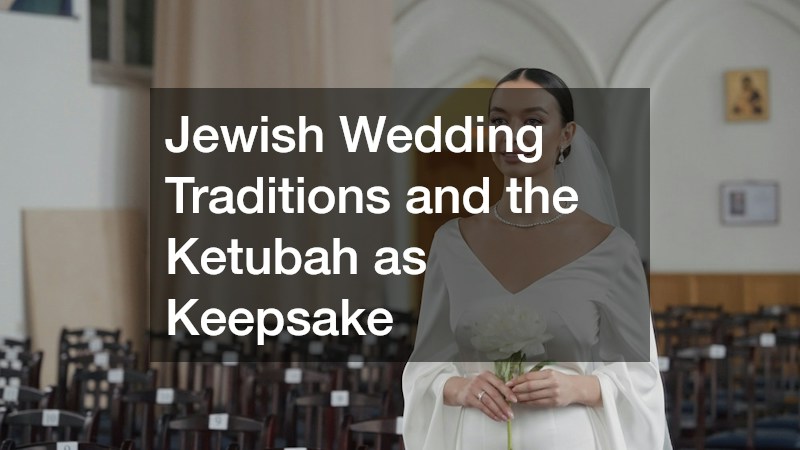
In Jewish weddings, the ketubah, or marriage contract, often functions as both a legal document and a piece of art. Traditionally written in Aramaic and signed by two witnesses before the ceremony, it outlines the groom’s obligations to his bride, but its role has expanded far beyond legal formality. Couples frequently commission illustrated or calligraphed versions, choosing designs that range from papercut Jerusalem skylines to watercolor florals or minimalist modern typography. Many work with independent ketubah artists who offer custom commissions, with prices typically ranging from $200 for print designs to well over $1,000 for hand-painted originals. Some couples select interfaith or egalitarian texts that reflect same-sex partnerships or blended traditions, making the document as personal in wording as it is in visual style. Once signed, the ketubah is often read aloud under the chuppah, adding a ceremonial layer to its significance. Afterward, these documents are commonly framed and displayed prominently in the couple’s home, turning a traditional requirement into a lasting visual memory that’s revisited daily rather than tucked away with other wedding keepsakes.
The ketubah itself, a Jewish marriage contract traditionally handwritten in Aramaic and often illustrated with intricate artwork, becomes far more than a legal document; many couples frame it and display it in their homes as a lasting piece of art that commemorates the day. Its signing, witnessed by two people unrelated to the couple, is considered one of the most legally and emotionally significant moments of the entire event, which is why photographers are often positioned carefully beforehand to capture the exchange of pens, signatures, and quiet exchanges between family members without intruding on the moment. Photography during the ceremony itself often focuses on key ritual moments, such as breaking the glass or the signing of the ketubah, since these carry deep symbolic weight. The chuppah, the canopy under which the couple stands, also draws significant photographic attention, as its four open sides symbolize hospitality and the couple’s new home together, and images taken from beneath or beside it often become some of the most treasured keepsakes from the entire celebration. Because of this, couples researching services for their own celebration often look specifically for the best wedding photographer who understands these rituals and can capture them respectfully without disrupting the ceremony’s flow. Many rabbis request that photographers avoid flash or excessive movement during moments like the seven blessings (Sheva Brachot) or the circling ritual, so experienced professionals typically scout the venue in advance, use quieter equipment, and coordinate discreetly with officiants to ensure every meaningful gesture, from the reading of the ketubah aloud to the final shattering of the glass, is preserved for generations without stealing focus from the sanctity of the moment itself.
- Illustrated ketubah designs treated as framed artwork, often commissioned from calligraphers or artists and displayed in the home long after the wedding, much like a piece of fine art
- Ceremonial highlights like the glass-breaking moment, captured from multiple angles to catch the crowd’s reaction and the traditional “Mazel Tov!” that follows
- Documentation of the chuppah and processional, including the symbolic fabric or tallit used as a canopy and the parents or grandparents who help hold its poles
- Family heirloom items incorporated into ceremony photography, such as a grandmother’s veil, an inherited kippah, or an antique kiddush cup passed down through generations
- Signing of the ketubah itself, often photographed as a quiet, intimate moment with witnesses present before the public ceremony begins
- Preservation choices for the ketubah after the wedding, ranging from museum-glass framing to archival storage, to protect the artwork and text from sunlight and humidity over decades
Western Wedding Trends and Digital Memory Sharing
In much of the United States and Europe, wedding memory-keeping has shifted heavily toward digital platforms, with couples creating shared online galleries for guests to upload their own photos. This democratized approach means the couple’s memories are no longer limited to a single photographer’s perspective but include candid moments captured by friends and family throughout the day.
At the same time, printed products have not disappeared entirely. Guest books, framed prints, and physical albums remain popular as tangible keepsakes that digital files simply cannot replace, especially for older relatives who prefer holding a photograph rather than scrolling through a phone.
- Shared digital galleries for guest-uploaded photos
- Custom wedding hashtags for social media collection
- Printed guest books signed with personal messages
- Framed prints displayed as anniversary gifts
Wherever you look, the desire to hold onto wedding memories is universal, even when the methods differ dramatically from one culture to the next. Whether it is a multi-day album, a ceremonial portrait, or a digital guest gallery, the common thread is intentionality about what deserves to be remembered. As you plan your own celebration, consider borrowing elements from these traditions that resonate with your own story. Taking time now to decide how you want your memories preserved will pay off for decades to come.