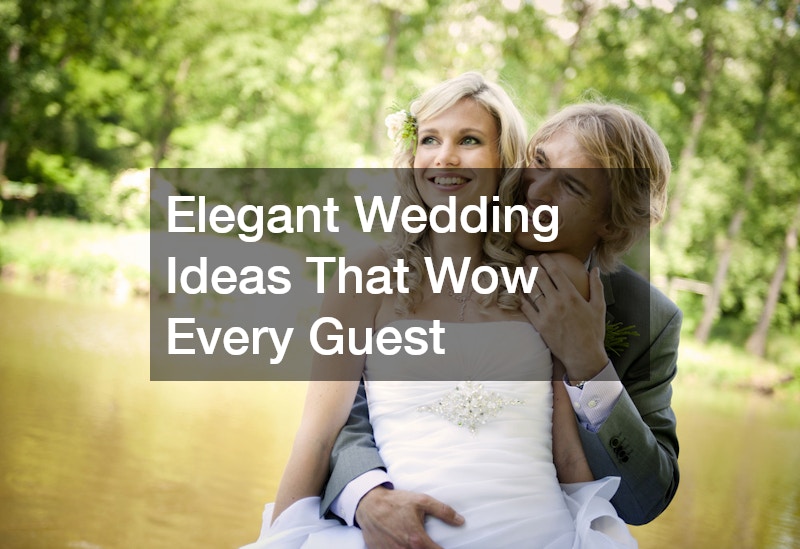
Planning an elegant wedding is about more than picking pretty details—it’s about creating a seamless, memorable experience that feels thoughtful from the first invitation to the final farewell. True elegance shows up in the way the day flows, how guests are guided, and how every choice supports a cohesive vision. When couples focus on both beauty and comfort, the result is a celebration that feels elevated without feeling stiff or overproduced.
In this guide, we’ll walk through ten practical, in-depth areas where smart decisions can dramatically raise the level of your wedding. You’ll find ideas that balance aesthetics with logistics, creativity with clarity, and tradition with personal touches. Think of this not as a list of trends, but as a planning framework you can adapt to your own style, priorities, and guest list.
- Choose a Setting That Sets the Emotional Tone
- Build a Cohesive Visual Story With Florals and Greenery
- Create Comfort and Style With Smart Layout Decisions
- Elevate the Experience With Thoughtful Transportation Planning
- Guide Guests Gracefully With Clear and Beautiful Signage
- Serve Memorable Food by Thinking Beyond Traditional Catering
- Design Lighting That Transforms the Mood From Day to Night
- Craft a Timeline That Feels Relaxed, Not Rushed
- Add Personal Touches Without Creating Visual Clutter
- End the Night With a Thoughtful, High-Impact Farewell
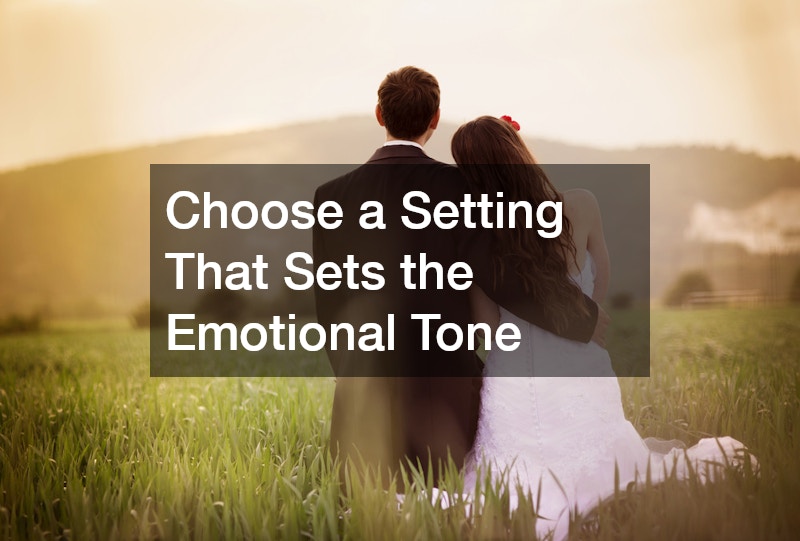
Choose a Setting That Sets the Emotional Tone
Your venue is more than a backdrop—it quietly tells guests what kind of experience they’re about to have. A rustic-chic celebration at farm wedding venues communicates warmth and intimacy, while a formal affair at a country club suggests classic elegance and polished service. Neither is “better”; what matters is that the setting matches the mood you want to create and supports the flow of the day. Before booking, walk through the space at the same time of day your ceremony or reception will happen so you can see how light, noise, and traffic patterns really feel.
Think about how many transitions your guests will make and how intuitive those transitions will be. An elegant wedding feels easy to navigate, not confusing or rushed. Ask yourself practical questions: Where will guests park? Where do they gather before the ceremony? How far do they walk between events? When the answers are simple and the spaces are visually coherent, people relax and focus on celebrating rather than figuring out logistics.
A helpful way to evaluate any venue is to score it on three dimensions:
-
Flow: How smoothly guests move from one moment to the next.
-
Flexibility: How easily the space adapts to your plan B if weather or timing changes.
-
Atmosphere: How much decorating is truly needed to make it feel special?
After making that assessment, you’ll be able to choose a setting that does a lot of the aesthetic work for you, which is one of the easiest ways to achieve an elegant result.
Build a Cohesive Visual Story With Florals and Greenery
Flowers are often one of the first things guests notice, and they set the emotional temperature of the room. Thoughtfully designed rose bouquets, for example, can feel timeless and romantic, but only if they’re integrated into a broader floral plan that connects the ceremony, reception, and personal flowers. The key is repetition with variation: using a consistent palette and a few signature blooms in different scales throughout the day.
Instead of scattering many unrelated arrangements, decide on two or three “hero” floral moments and let everything else support them. This might be a dramatic ceremony arch, a lush head table arrangement, or a statement installation over the dance floor. When those anchors are in place, smaller pieces like aisle markers or cocktail table bud vases can echo the same shapes and colors more simply.
When planning, consider these questions:
-
Where do flowers add the most emotional impact for guests?
-
Which areas will be photographed the most?
-
How can arrangements be repurposed from ceremony to reception?
An elegant wedding doesn’t necessarily use more flowers—it uses them more intentionally. By concentrating your budget and design energy where it matters most, you create a visual story that feels rich, thoughtful, and completely cohesive.
Create Comfort and Style With Smart Layout Decisions
Even the most beautiful design can fall flat if guests feel cramped, confused, or uncomfortable. This is where working with event rentals and, if needed, an event space rental becomes a strategic decision rather than a purely practical one. Chairs, tables, lounge furniture, and even bars shape how people move and interact, which directly affects how enjoyable the celebration feels.
Start by mapping the guest journey: arrival, ceremony, cocktail hour, dinner, dancing, and departure. For each phase, ask what people need to feel relaxed and taken care of. Maybe that means adding a few lounge groupings for older guests, widening aisles between tables, or choosing chairs that are as comfortable as they are attractive. Small adjustments in layout can make a big difference in how long guests want to stay and mingle.
A good planning process looks like this:
-
Sketch the layout at scale so you can see real distances and clearances.
-
Walk through the timeline and imagine 150 people moving at once.
-
Adjust spacing, furniture placement, and traffic flow until it feels intuitive.
When the room is set up with both beauty and comfort in mind, guests rarely comment on logistics—but they always notice how easy and enjoyable the evening feels.
Elevate the Experience With Thoughtful Transportation Planning
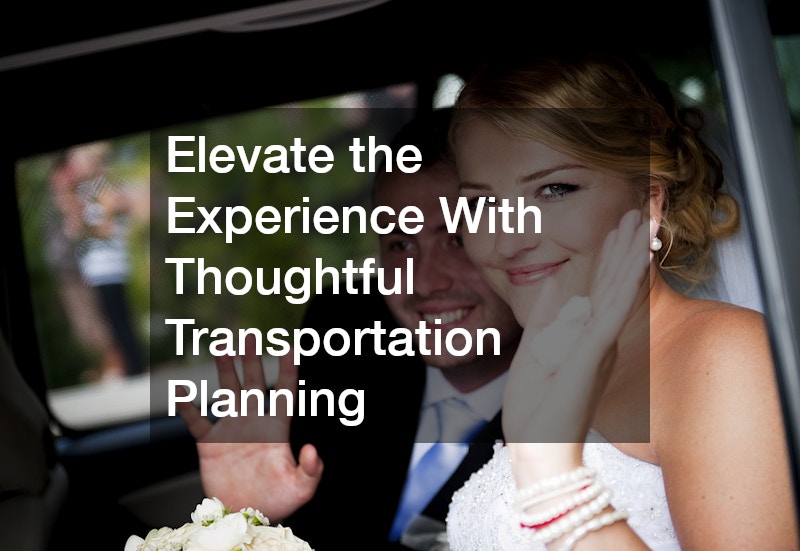
Transportation is one of those behind-the-scenes elements that can either quietly support your day or cause unnecessary stress. Coordinating with a limousine company or arranging a party bus rental isn’t just about getting from point A to point B—it’s about controlling the rhythm of the day and making sure everyone arrives relaxed and on time. When guests don’t have to worry about directions, parking, or timing, they start the celebration in a much better mood.
For the couple, transportation also creates valuable pockets of calm. That ride from the ceremony to the reception is often the only private moment you’ll have together all day. For the wedding party or guests staying at the same hotel, group transportation keeps the energy high and the schedule tight, especially if your locations are spread out.
To plan this well, think through:
-
Who needs transportation and at what times?
-
How will you handle early arrivals or late departures?
-
Where are the safe, convenient pickup and drop-off points?
When transportation is handled gracefully, it becomes invisible in the best way—everything just seems to happen exactly when and where it should.
Guide Guests Gracefully With Clear and Beautiful Signage
Good signage is one of the simplest ways to make a wedding feel polished and guest-friendly. Working with a sign manufacturer or incorporating elements like screen printing on welcome boards, seating charts, and menus allows you to combine clarity with style. The goal is not to overwhelm guests with instructions, but to gently guide them so they always know what’s happening next.
Start by identifying decision points: where guests arrive, where they choose seats, where they find their tables, and where they go for key moments like cocktail hour or dancing. At each of those spots, a well-designed sign can prevent confusion and keep the event flowing smoothly. Consistency in fonts, colors, and materials ties everything into your overall design.
A smart signage plan usually includes:
-
One clear welcome sign at the entrance or ceremony area.
-
A prominent, easy-to-read seating chart or escort display.
-
A few directional or informational signs are placed only where needed.
When done well, signage feels like part of the decor rather than an afterthought, and guests appreciate the subtle guidance more than they realize.
Serve Memorable Food by Thinking Beyond Traditional Catering
Food is one of the strongest memories guests take home, and it doesn’t have to follow a rigid, traditional format to feel elegant. Partnering with local restaurants can bring personality, freshness, and even a sense of place into your menu. Whether that means late-night snacks from a beloved neighborhood spot or a fully catered meal by a favorite chef, the focus should be on quality and thoughtful presentation.
Begin by thinking about the rhythm of the evening. Heavy, formal meals can slow the energy, while lighter courses and interactive stations can keep people moving and mingling. The key is to match the food style to the tone of the event and the expectations of your guests. Elegance comes from intention and execution, not from following a specific template.
When designing your menu, consider:
-
Dietary needs and how clearly they’re accommodated.
-
How easy the food is to eat while standing or chatting.
-
How the timing of courses supports the overall flow of the night.
When guests feel well-fed without feeling weighed down, they’re more likely to stay on the dance floor and remember the evening as both delicious and delightful.
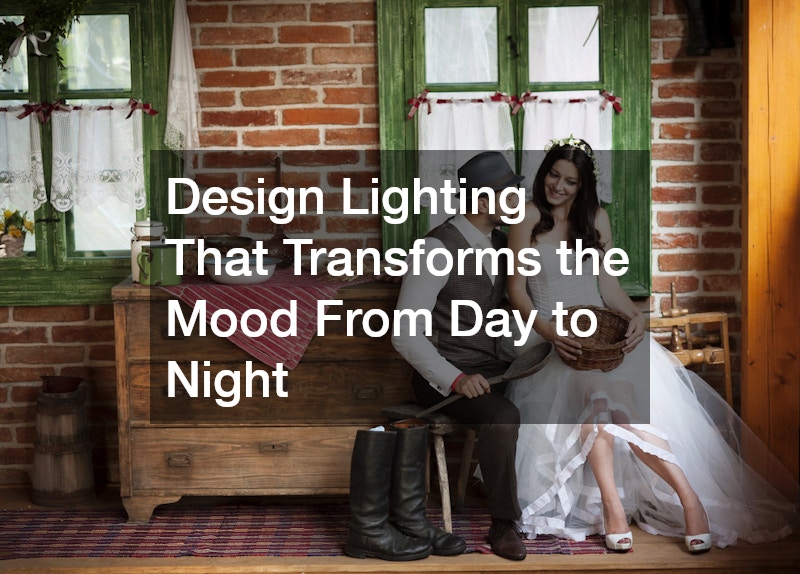
Design Lighting That Transforms the Mood From Day to Night
Lighting is one of the most powerful and underestimated design tools in a wedding. It doesn’t just help people see—it shapes how they feel. Soft, warm light makes a space feel intimate and welcoming, while brighter, cooler light can energize a dance floor. The transition from ceremony to reception is a perfect opportunity to subtly shift the mood using light.
Start by assessing the existing lighting in your space and identifying where it falls short. Overhead lights are rarely flattering on their own, so think about adding layers: candles, string lights, uplighting, or pin spots on key decor elements. Even a simple room can feel completely transformed with the right lighting plan.
A practical approach is to plan lighting in three layers:
-
Ambient: The overall light level that fills the room.
-
Accent: Light that highlights specific features like tables or decor.
-
Functional: Brighter light where people need to read menus or move safely.
When these layers work together, the space feels intentional, warm, and effortlessly elegant from start to finish.
Craft a Timeline That Feels Relaxed, Not Rushed
An elegant wedding never feels hurried, even if the schedule is full. That sense of calm comes from a well-constructed timeline that includes buffer time and realistic transitions. Instead of packing events back-to-back, allow moments for guests to settle, chat, and simply enjoy where they are.
Work backward from your must-have moments—ceremony, first dance, speeches—and build generous cushions around them. Remember that small delays are almost inevitable, so planning for them keeps stress from spilling over into the guest experience. A relaxed timeline also gives your vendors the space they need to do their best work.
When reviewing your schedule, ask yourself:
-
Where might people naturally linger or move more slowly?
-
Which transitions involve large groups and take more time?
-
Where can we build in short, intentional pauses?
When the day unfolds at a comfortable pace, guests feel taken care of and you’re more likely to remember the experience as joyful rather than hectic.
Add Personal Touches Without Creating Visual Clutter
Personal details are what turn a beautiful wedding into a meaningful one, but too many small elements can start to feel busy or unfocused. The key is to choose a few areas where personalization will have the biggest emotional impact and let everything else stay clean and simple. This approach keeps the overall look elegant while still telling your story.
Think about moments that naturally draw attention: the ceremony, the sweetheart or head table, and perhaps one interactive guest experience. A short, heartfelt note in the program, a meaningful quote worked into the decor, or a carefully chosen photo display can say more than dozens of scattered trinkets.
A helpful filter for every idea is to ask:
-
Does this add meaning or just add stuff?
-
Will guests actually notice and appreciate it?
-
Does it fit with the overall aesthetic we’re creating?
When you edit your ideas with intention, the personal touches that remain feel more powerful and more memorable.
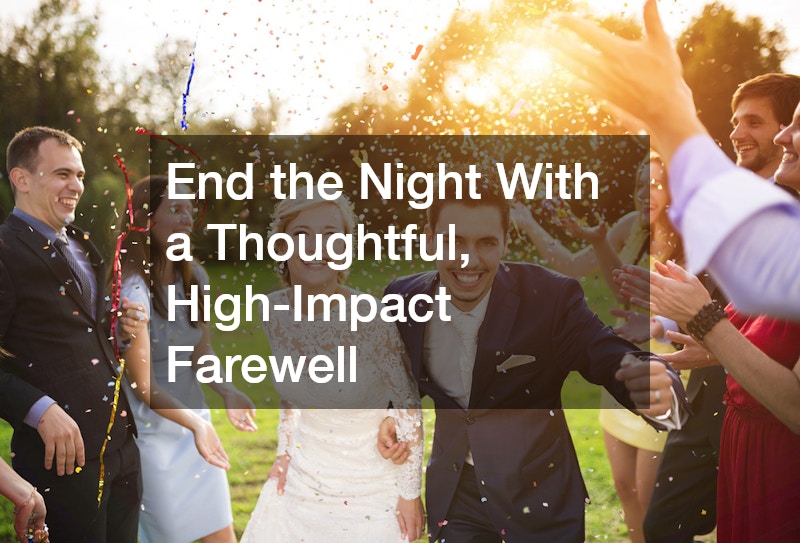
End the Night With a Thoughtful, High-Impact Farewell
The final moments of your wedding often shape the lasting impression guests carry home. A graceful, well-planned send-off doesn’t have to be elaborate, but it should feel intentional and celebratory. Whether it’s a sparkler exit, a final song everyone knows, or a quiet, elegant goodbye, this is your chance to close the story on a high note.
Think about what you want people to feel as they leave. Energized? Touched? Cozy and content? Design the ending to support that emotion. Just as importantly, make sure the logistics—timing, transportation, and cleanup—are handled smoothly so the moment feels effortless rather than chaotic.
A strong ending usually includes:
-
A clear signal that the celebration is concluding.
-
One shared experience that brings everyone together.
-
An easy, organized way for guests to head home.
When the farewell is as thoughtfully planned as the rest of the day, guests leave with full hearts and a sense that they’ve been part of something truly special.
An elegant wedding is rarely about one big, flashy choice. It’s the result of dozens of small, intentional decisions that work together to create a smooth, welcoming, and beautiful experience. When you focus on flow, comfort, clarity, and emotional impact, you’re not just hosting a party—you’re crafting a memory that your guests will talk about for years to come.